In today’s social media era, many body-related myths spread quickly—especially those tied to beauty standards. One of the most talked-about topics is the idea that a thigh gap can reveal someone’s intimate or health fact.
But is there any truth to this claim? Or is it just another viral myth with no scientific basis?
Let’s break it down clearly.
What Is a Thigh Gap?
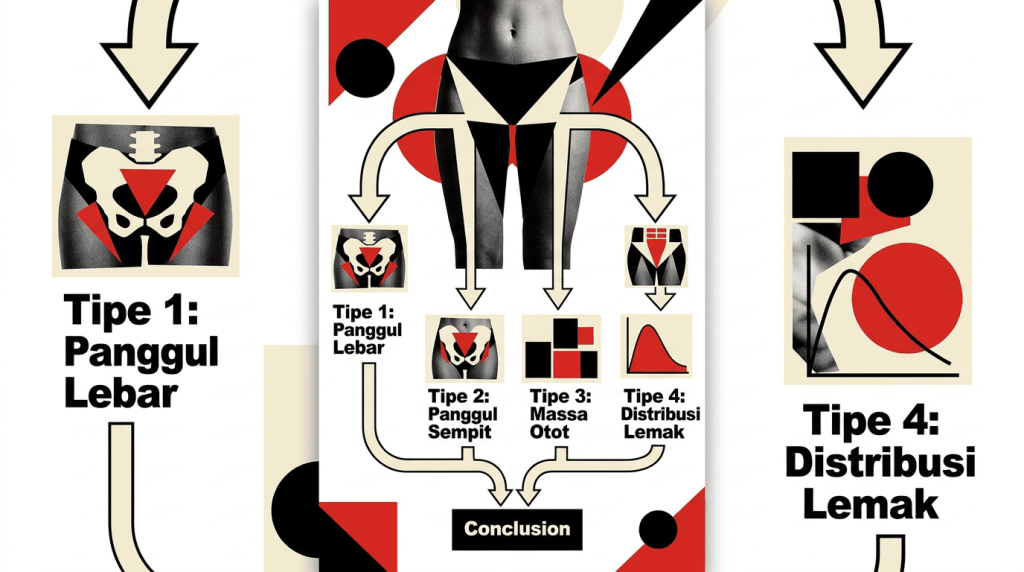
A thigh gap refers to the space between the inner thighs when a person stands with their feet together. This feature has often been associated with certain beauty standards, particularly in fashion and online trends.
However, it’s important to understand:
👉 A thigh gap is not a reliable indicator of health, let alone someone’s personal or intimate life.
The Myth: Thigh Gap Reflects Intimate Activity

There’s a widespread belief that:
- Women without a thigh gap are more “body myth”
- Those with a thigh gap are less active
⚠️ Reality check:
There is no scientific evidence supporting this claim.
The shape and spacing of thighs are influenced by:
- Pelvic bone structure
- Body fat distribution
- Genetics
- Muscle mass
—not by body myth.
4 Types of Thigh Shapes You Should Know
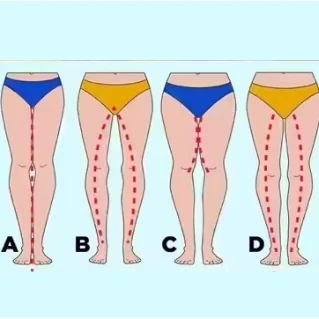
Even though thigh gaps don’t indicate anything about intimacy, thigh shapes do vary naturally. Here are four common types:
1. Clear Thigh Gap
Characteristics:
- Visible space between thighs when standing
- Often associated with wider hips
- Lower fat in the inner thigh area
Fact:
This is mostly due to bone structure and body composition—not lifestyle choices.
2. No Gap (Thighs Touching)
Characteristics:
- Inner thighs touch each other
- Common in many body types, including fit individuals
Fact:
This is completely normal and very common.
3. Small Gap
Characteristics:
- Slight space, usually only near the upper thighs
- A mix of bone structure and fat distribution
Fact:
A natural variation that sits between the other types.
4. Athletic Thighs
Characteristics:
- Strong, muscular thighs
- Often no gap due to muscle density
Fact:
This is typically a sign of strength and fitness.
Why Did This Myth Go Viral?
There are a few reasons why this idea gained traction:
1. Lack of Anatomical Awareness
Many people don’t understand how genetics shape the human body.
2. Unrealistic Beauty Standards
Media often promotes a narrow version of what’s considered “ideal.”
3. Clickbait Culture
Topics related to intimacy attract attention and engagement.
Medical Facts: No Connection at All
From a scientific and medical perspective:
- body myth does not change thigh structure
- It does not affect the space between thighs
- It cannot be determined from external appearance
Changes in thigh shape are usually caused by:
- Weight fluctuations
- Diet
- Physical activity
- Hormonal factors
The Risks of Believing This Myth
Believing in myths like this can have negative effects:
❌ Body Shaming
People may feel judged based on their body shape
❌ Insecurity
Unrealistic comparisons can harm self-confidence
❌ Misinformation
False ideas spread easily and become “accepted truths”
How to Respond to This Trend Wisely
Instead of focusing on myths, consider these approaches:
✔ Focus on Health
Maintain a balanced diet and active lifestyle
✔ Accept Your Body
Every body is different—and that’s normal
✔ Think Critically
Don’t believe everything that goes viral online
Conclusion
So, can a thigh gap reveal someone’s intimate life?
👉 The answer is no.
Thigh gap is determined by:
- Genetics
- Bone structure
- Body composition
—not by personal or health fact.
Final Thoughts
Trends like this may seem interesting, but it’s important to stay informed and think critically. Don’t let myths shape how you see yourself.
👉 A healthy body matters far more than unrealistic beauty standards.